
The Importance of Rest and Recreation for Students’ Mental Health
Students work hard every day to attend lessons, complete assignments, prepare for examinations, and participate in school activities. However, learning is not only about studying. Rest and recreation are also important because they help students maintain good physical health, emotional balance, and mental well-being.
What Is Rest?
Rest is the time we give our bodies and minds to recover after work, study, or other activities. It includes sleeping well, taking short breaks during study, and relaxing when we feel tired. Adequate rest allows the brain to process information, restore energy, and prepare for new tasks.
What Is Recreation?
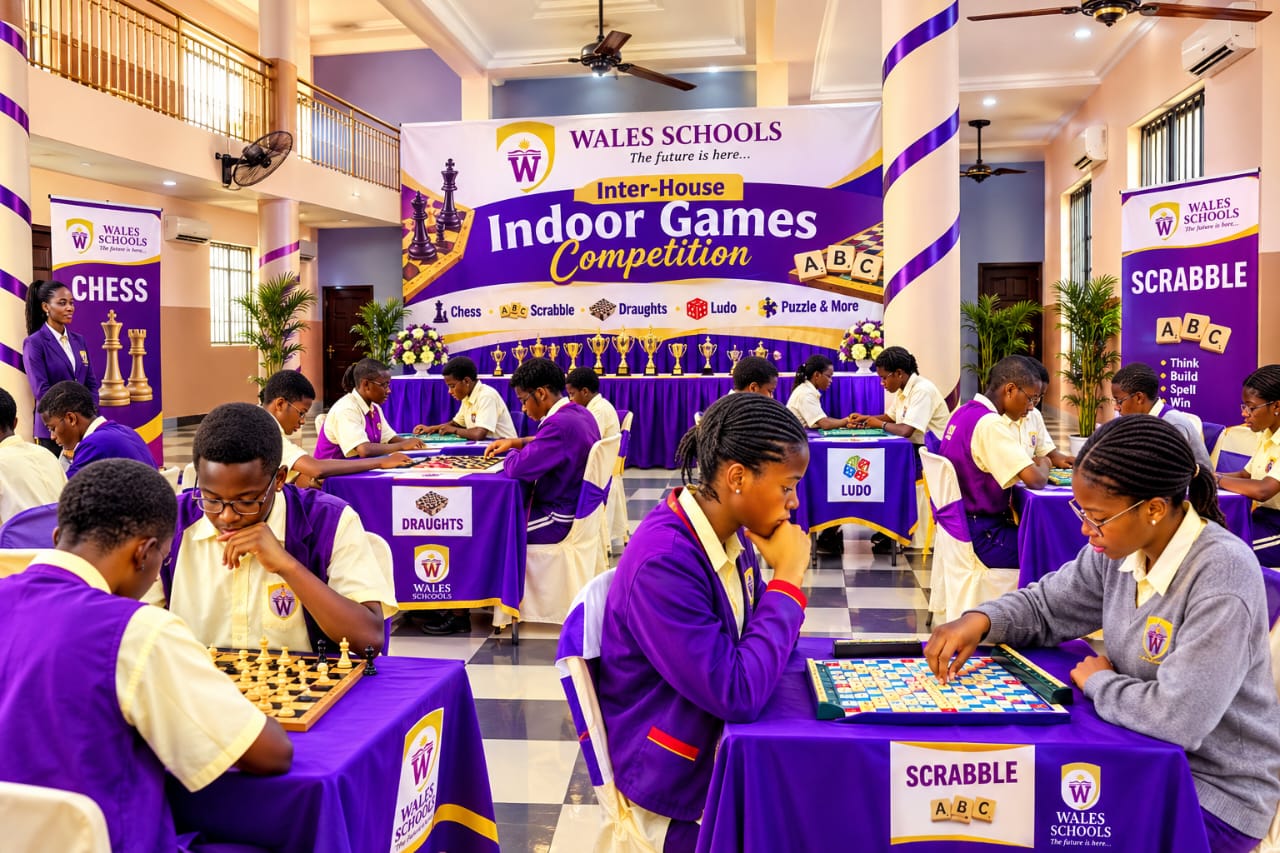
Recreation refers to enjoyable activities carried out during free time. These activities may include playing sports, listening to music, reading for pleasure, drawing, dancing, gardening, playing games, or spending time with family and friends. Recreation should be refreshing, safe, and enjoyable rather than stressful.
The Importance of Rest and Recreation
Rest and recreation play an important role in students’ mental health. When students get enough sleep and take regular breaks, they are more likely to concentrate in class, remember what they have learnt and make better decisions. Rest also reduces tiredness and helps students approach their schoolwork with greater energy and confidence.
Recreation provides an opportunity for students to relax and release tension. It can reduce stress, improve mood and help students cope with academic pressure. Fun activities also encourage creativity, strengthen friendships and build important qualities such as teamwork, patience and self-confidence.
On the other hand, a lack of rest may lead to irritability, poor concentration, low motivation and feelings of anxiety. Students who study continuously without taking breaks may become mentally exhausted. This is why achieving a healthy balance between schoolwork, rest, and recreation is essential.
What Students Can Do for Rest and Recreation
Students can develop healthy habits by maintaining a regular sleep schedule and getting enough sleep each night. They should take short breaks while studying, drink enough water, and avoid spending excessive time on electronic devices, especially before bedtime.
For recreation, students can participate in sports, take walks, read interesting books, listen to music, practise a hobby, or engage in creative activities such as painting and writing. They can also spend quality time with family and friends. Simple activities such as deep breathing, quiet reflection and stretching can help the mind and body relax.
Conclusion
A well-rested student will be happy and better prepared to learn, grow, and achieve his full potential.
Remember: Rest renews the mind, while recreation refreshes the spirit.